
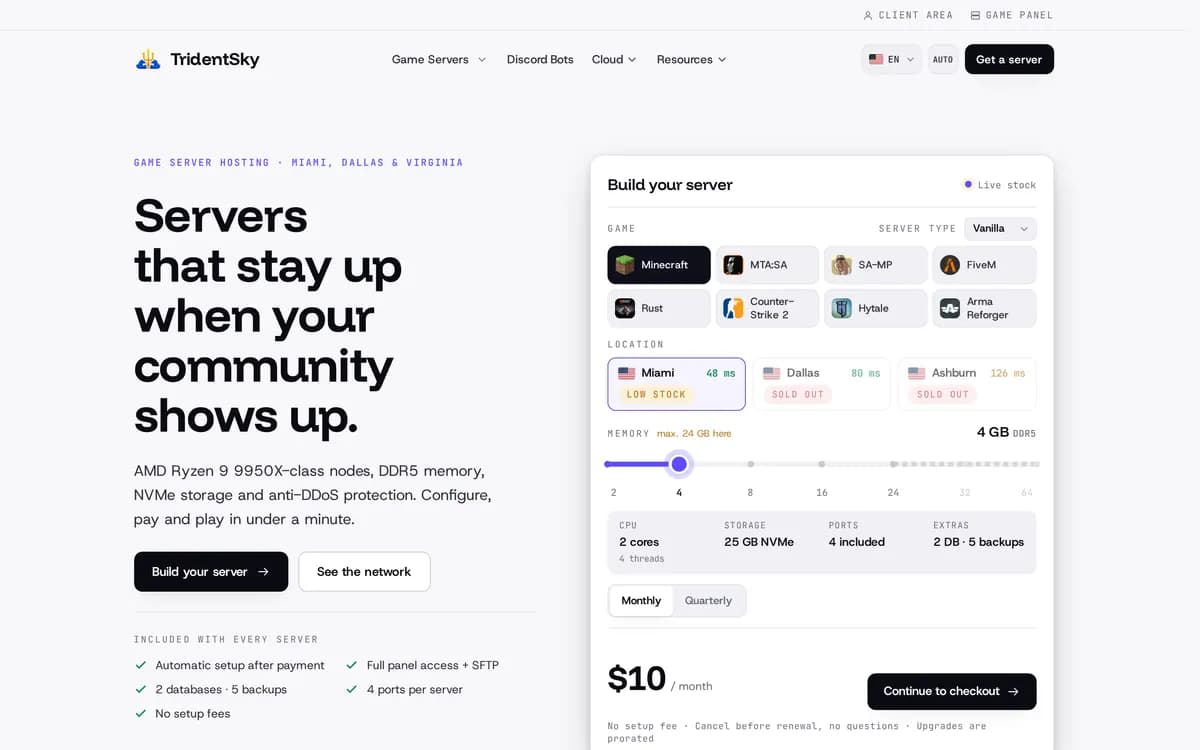
Trident Sky
My own game-hosting company: a server is bought, paid for and set up without anyone touching it.
- Next.js 16
- PostgreSQL
- Stripe
I am Brando Silva. I write the product, the payments, the admin panel and the server it runs on — and then I keep it running. Everything on this page is in use right now; every screenshot comes from the product itself, whether it opens in a browser or on a desktop.
Client products and my own. Pick a type to narrow it down; every screenshot comes from the live product, never from a mockup.
My own game-hosting company: a server is bought, paid for and set up without anyone touching it.

E-commerce and point of sale for an award-winning MedSpa: six payment channels and a VIP loyalty program in one system.
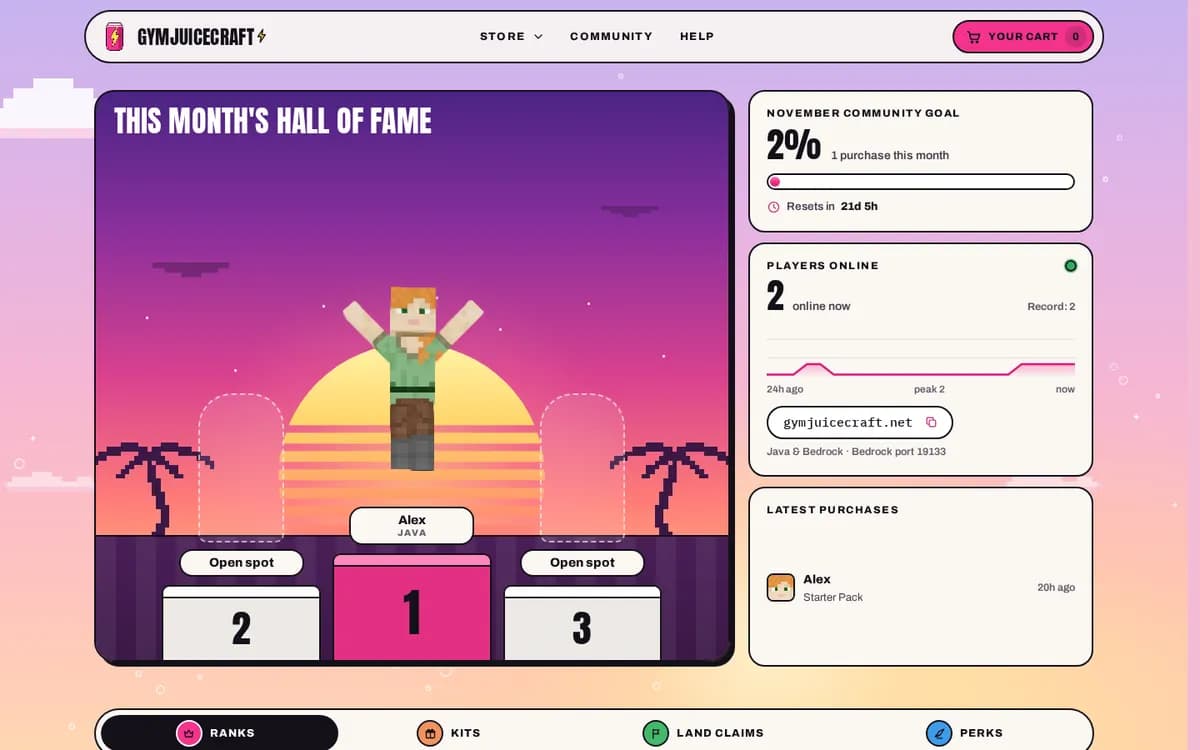
My own replacement for Tebex: Stripe checkout and delivery inside the game within seconds. Five servers run it, each with its own brand.
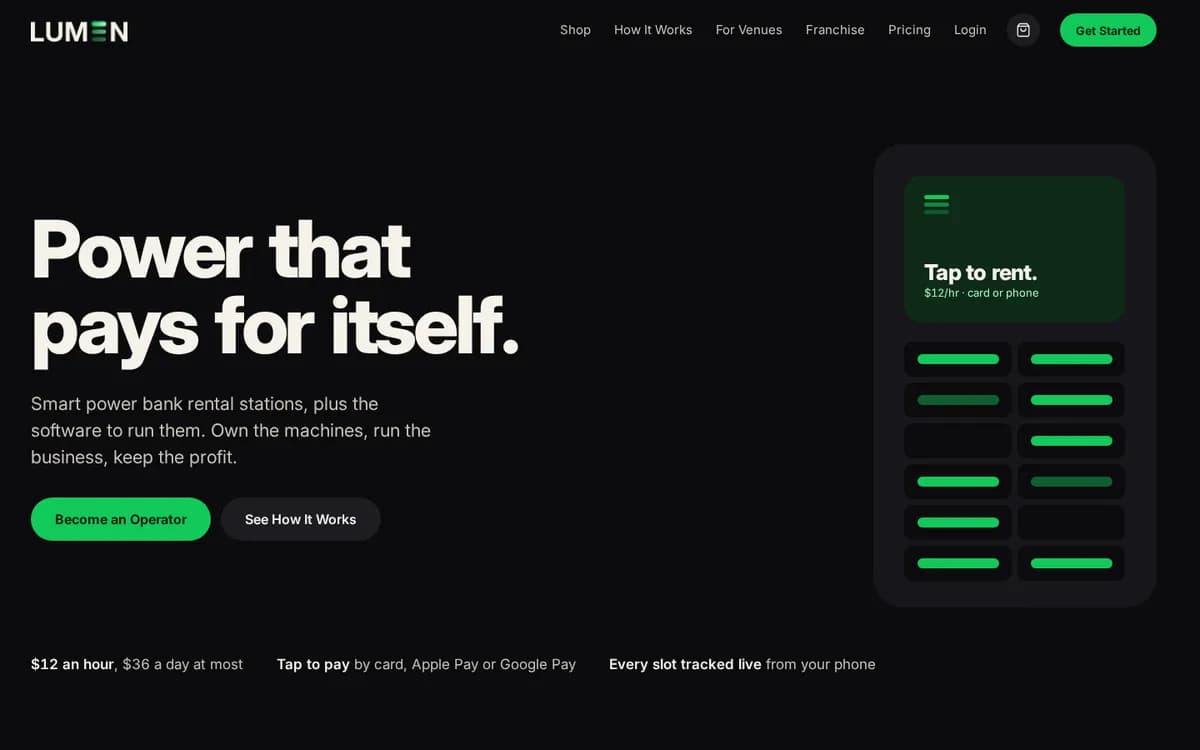
Platform for a power-bank rental franchise: the public site, operator sign-up, and a dashboard with machines, rentals and earnings.
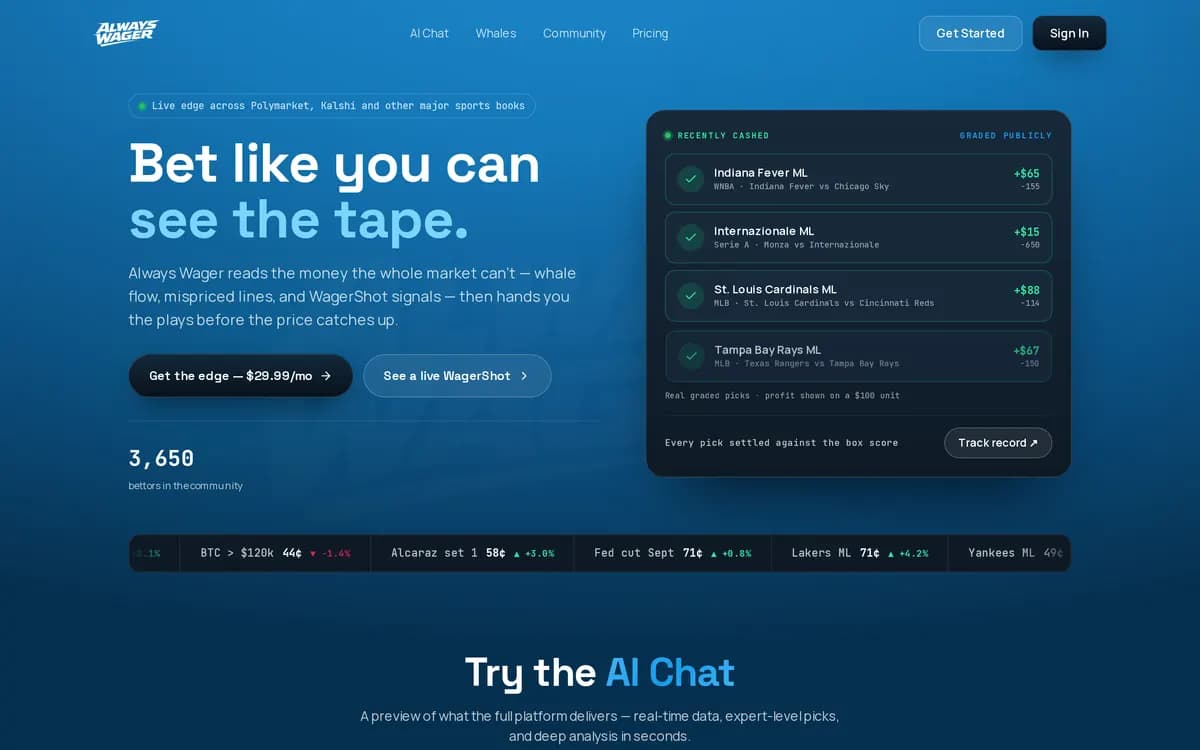
AI sports analysis inside a social network: picks tied to real games, a community feed and live scores for 24 leagues.
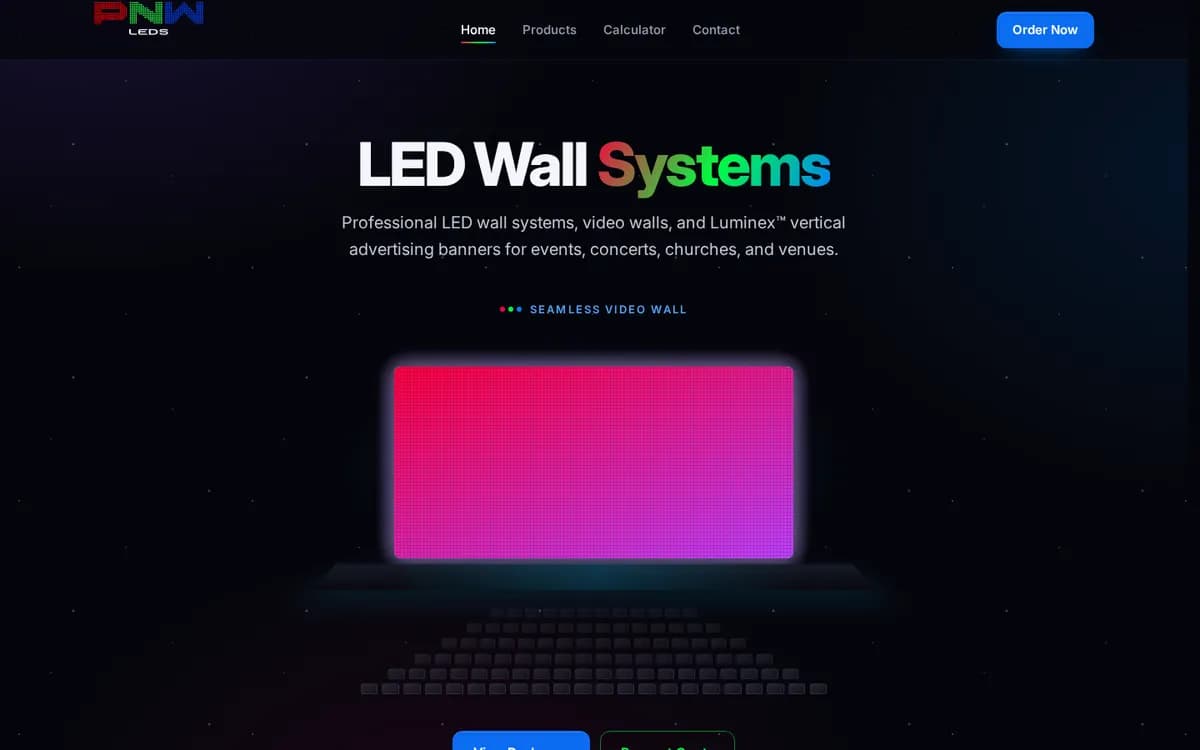
Site for an LED wall company, with a three-step calculator that sizes the wall and prices it line by line.
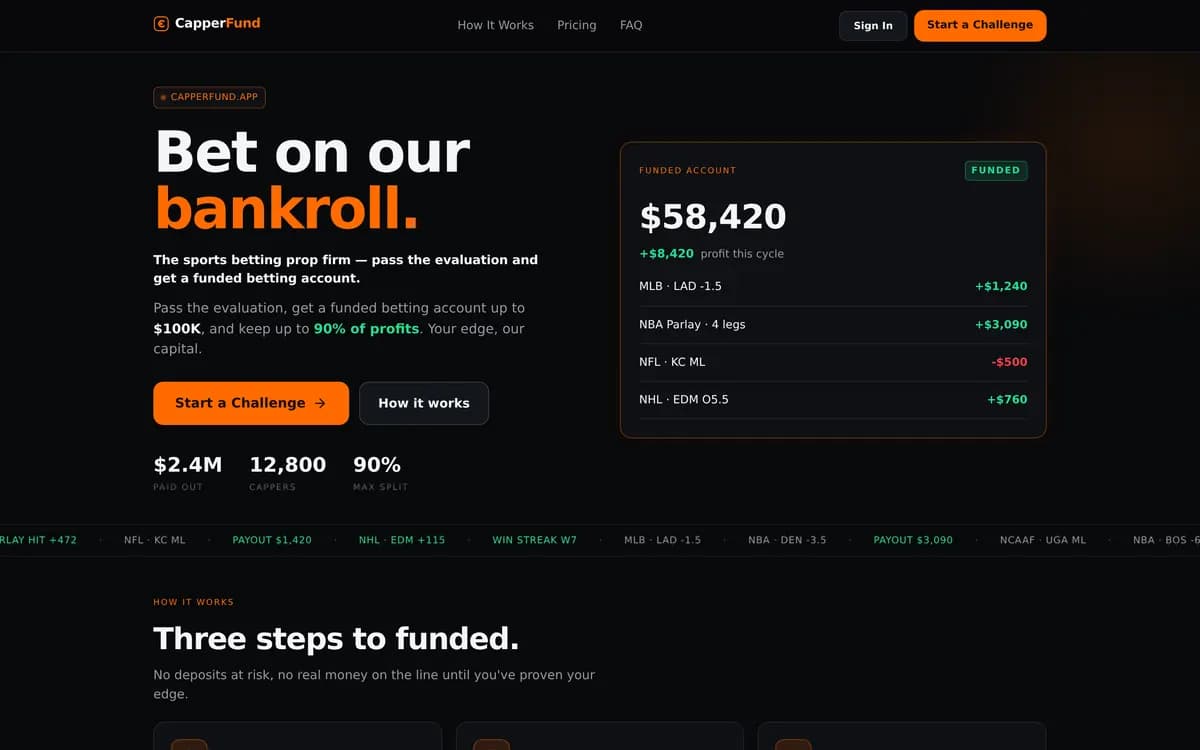
A funding platform for sports bettors: evaluation stages, AI-assisted analysis and payouts, with a ledger anyone can audit.

Community awards for Eastern Washington: daily voting in 65 categories, a live Top 50 and a portal for every business.

The direct-to-consumer store for a zero-sugar energy drink, built to take a launch spike with no cache in front of it.

Tickets for live events: Stripe checkout and QR tickets by email that get scanned at the door.

A bilingual site for a cardiology clinic, with a patient portal and a CMS the staff run themselves.
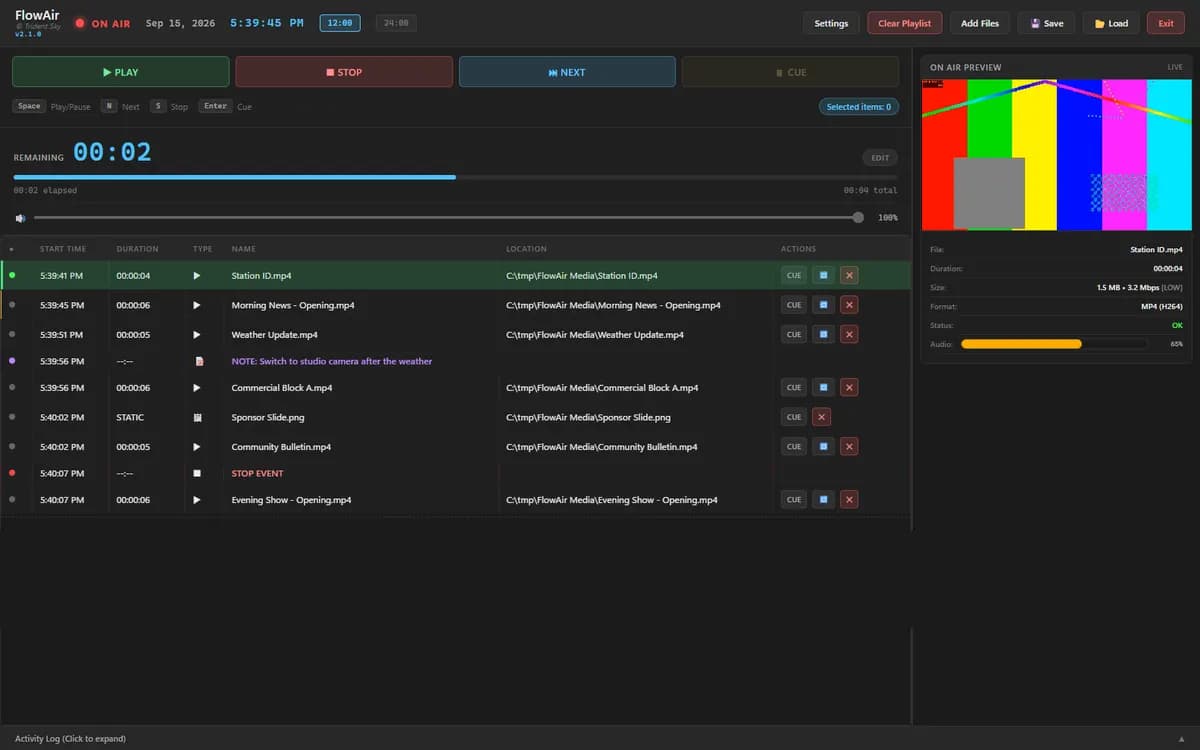
Windows playout that keeps a channel on air 24/7: playlists that stay on time for days, and OBS scenes switched from the list itself.
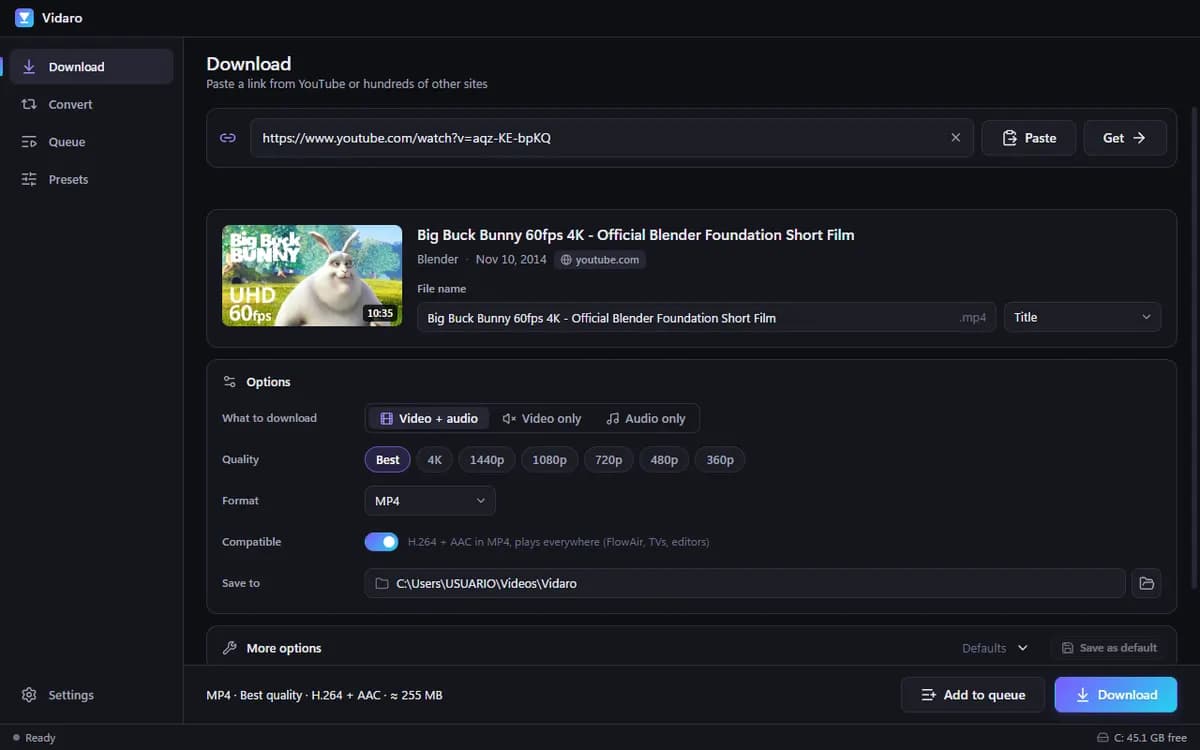
Downloads and converts video on Windows, built for old footage: it spots interlacing in the frames and tests each hardware encoder for real.
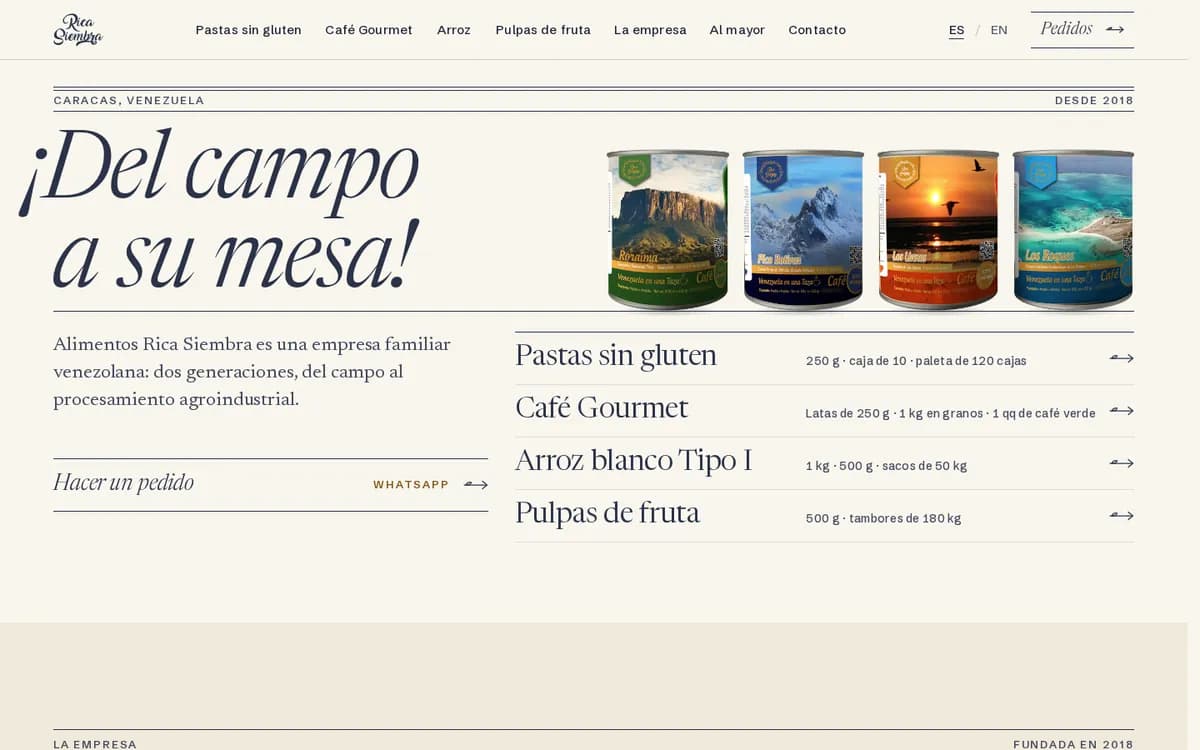
A bilingual site for a Venezuelan family food company: its product lines, and wholesale orders over WhatsApp.
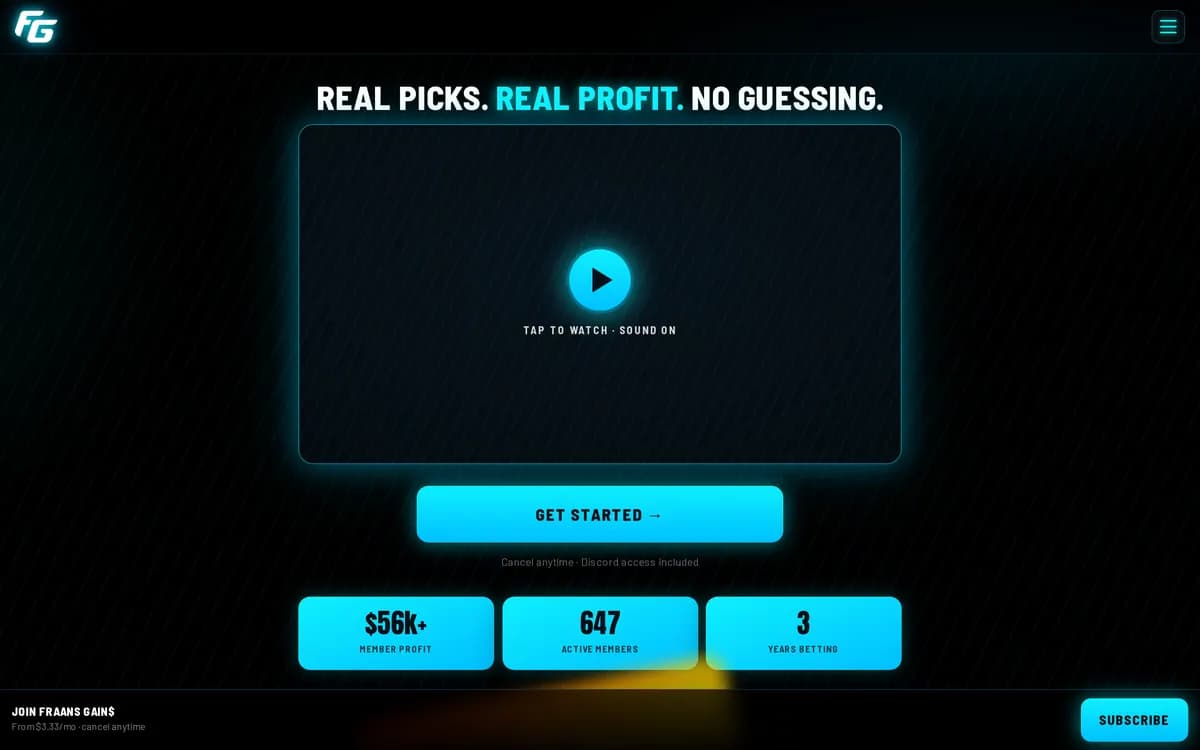
A subscription picks service: members-only content, billing through Whop and a sign-up bots cannot get through.
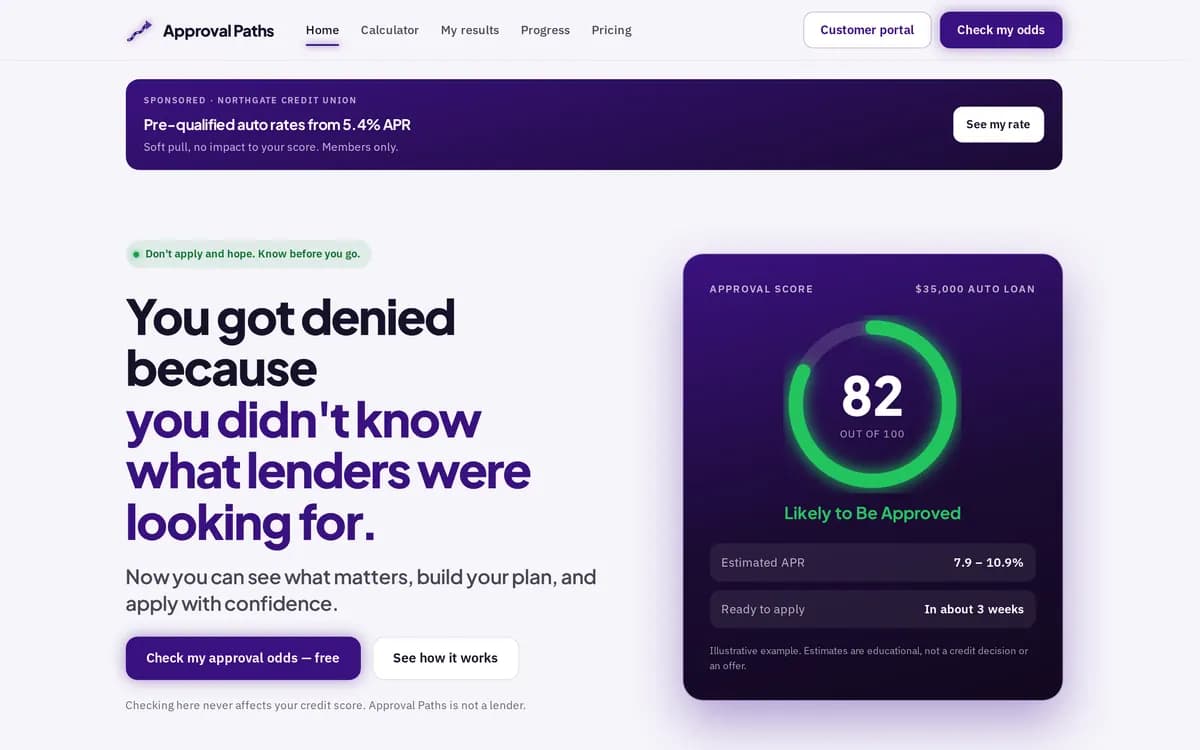
Shows your approval odds before you apply — a product preview built to test the idea before any backend existed.
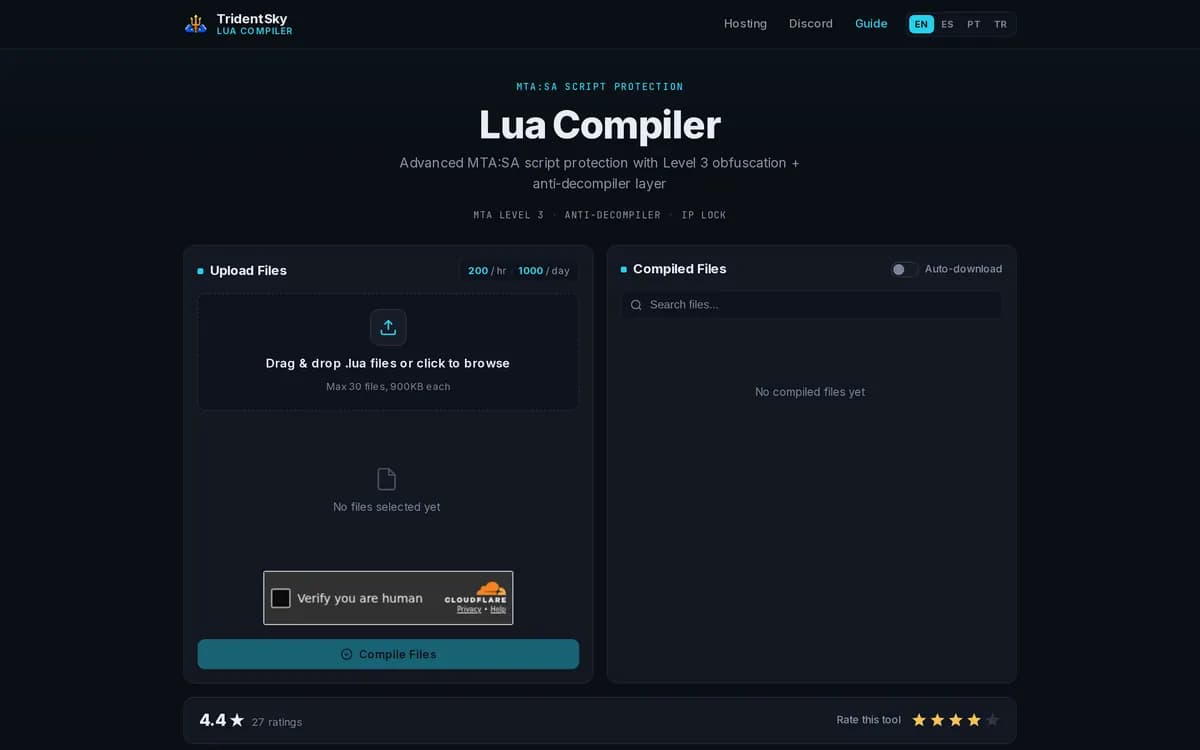
A free compiler and obfuscator for MTA:SA scripts, for server owners who do not want their code read.
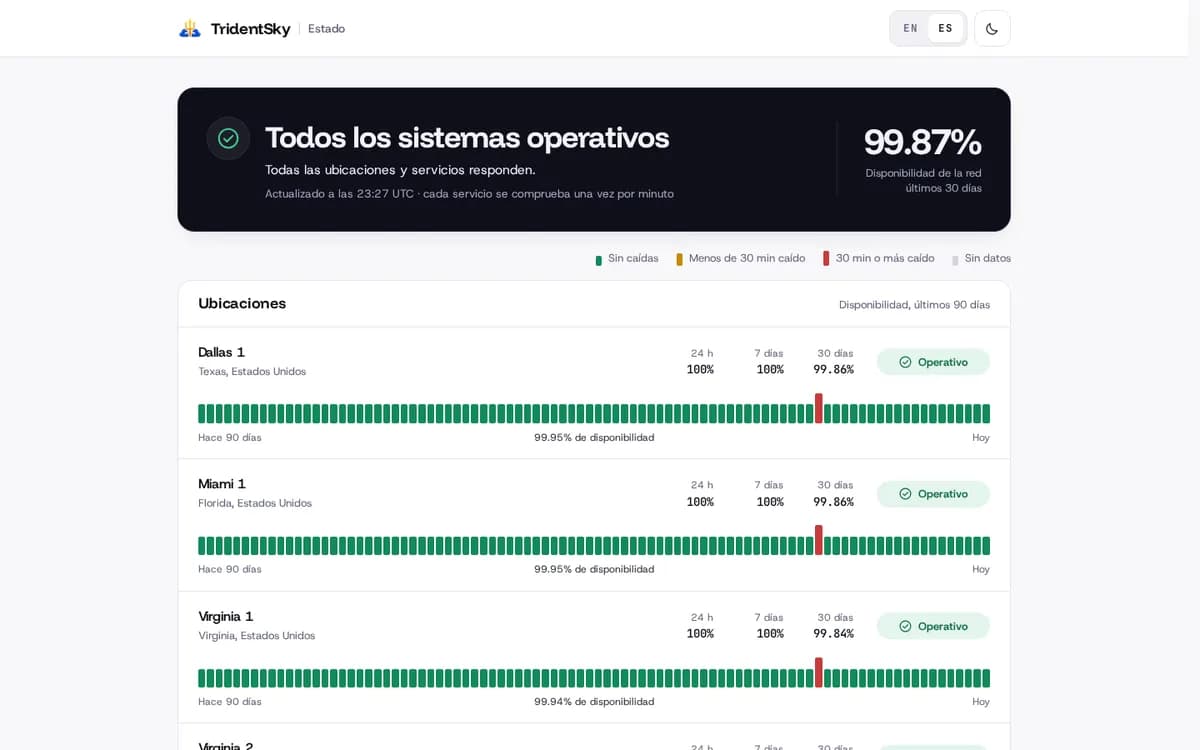
The hosting's public status page: uptime per location and incidents, and it stays up even when the main site is down.
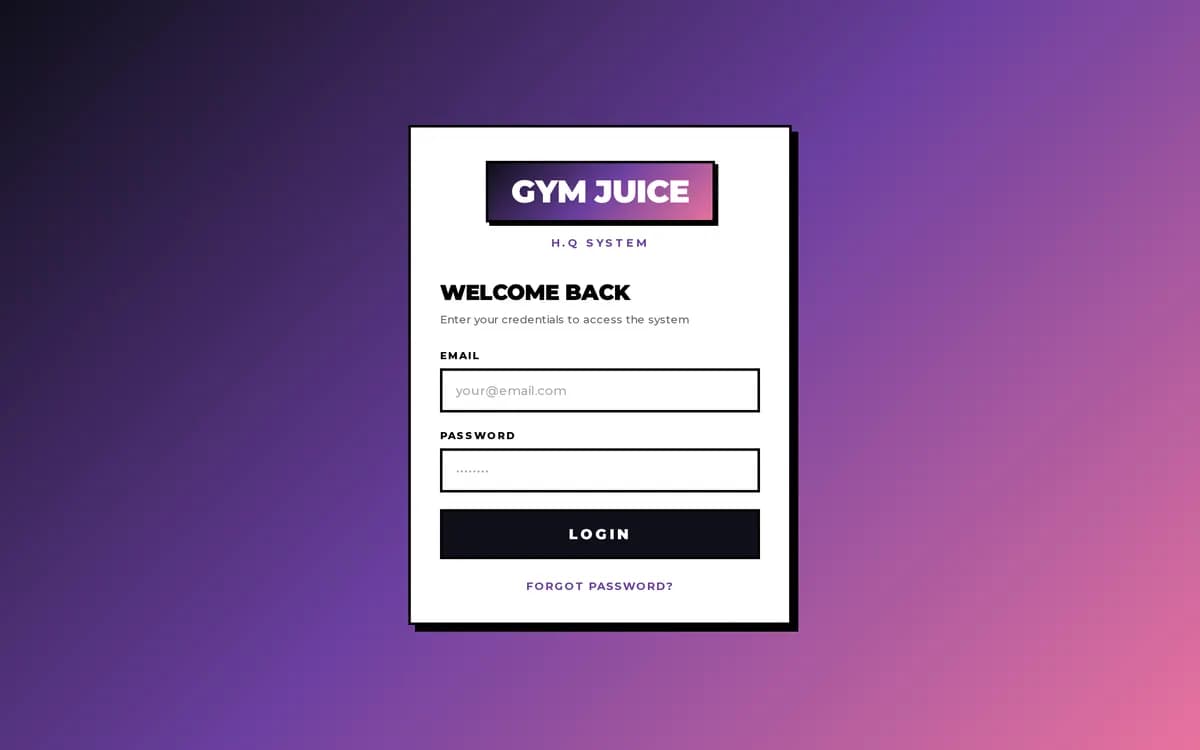
The internal back office: inventory, orders and staff coordination, live over websockets.
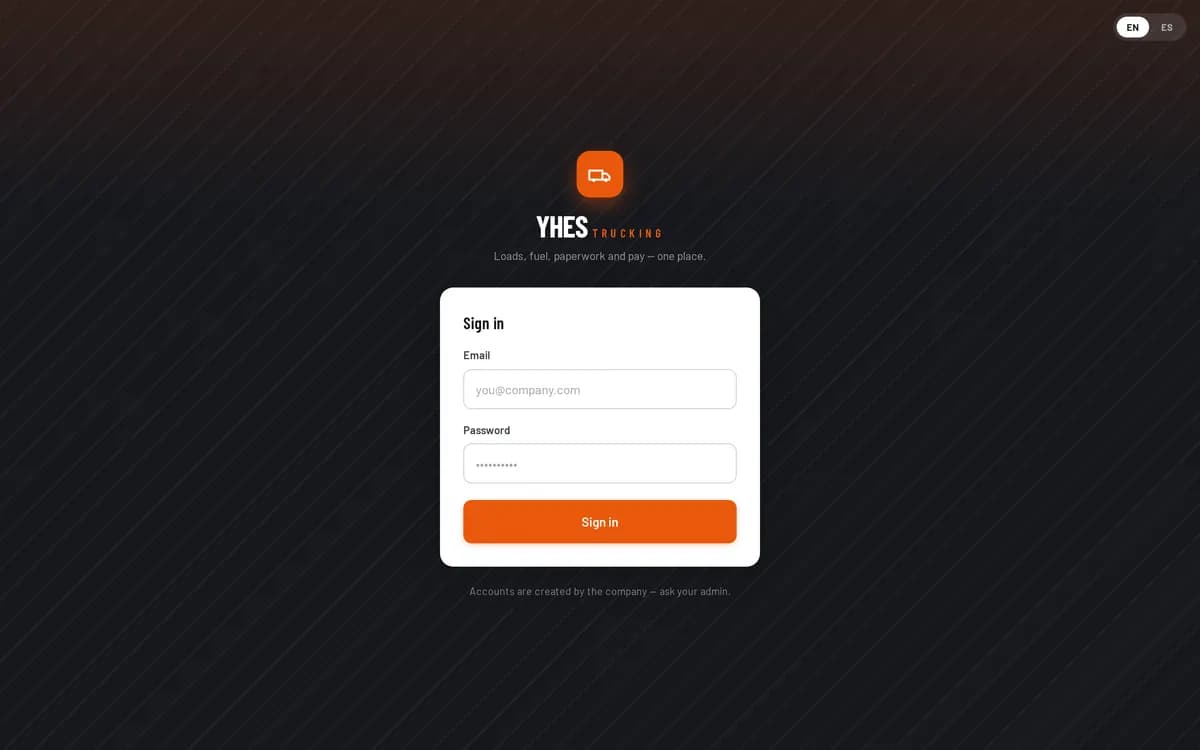
Load and driver management for a trucking company, with the paperwork that follows each trip.
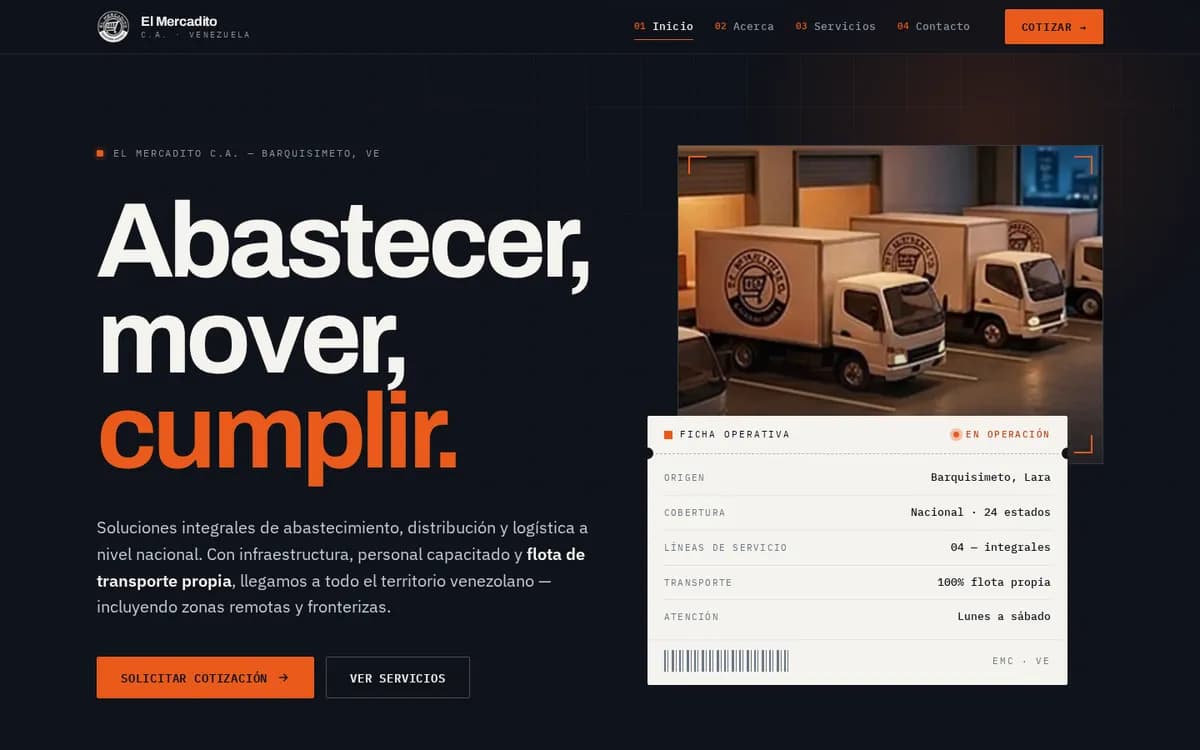
The site of a Venezuelan supply and logistics company; its quote form opens WhatsApp with the message already written.
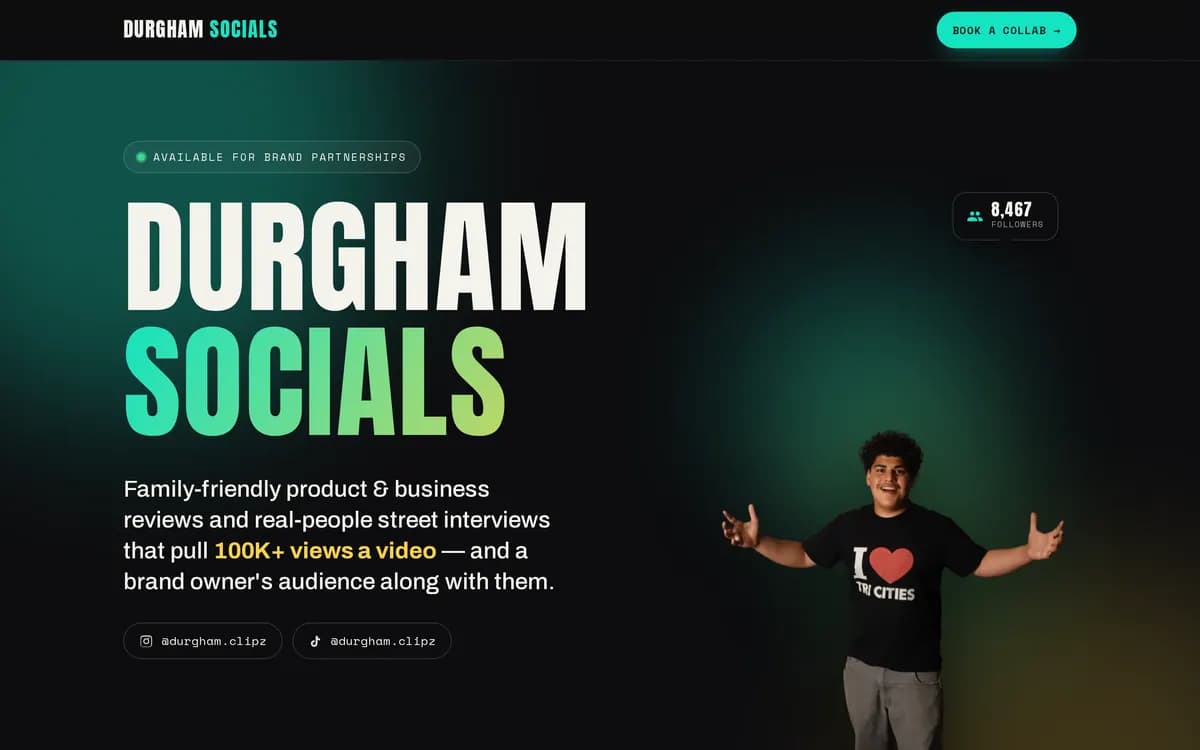
A creator-partnership agency's shopfront: fast, static, and clear about what it sells.

Catering in Caracas: a landing that loads instantly on the connections its customers actually have.
Plugins, tools and the panel behind my hosting and the communities that run on it.
Eight plugins of my own for a Java and Bedrock network: economy, jobs, an auction house, clans, events and minigames.
Java 21 · Paper · Velocity · MariaDB
My own theme for the game panel, with a visual editor for colours, navigation, the login page and per-game artwork.
React · TypeScript · Laravel · Tailwind
A community portal: news cross-posted to Discord, a forum with ranks, and a live chat joining Discord, the game and the web.
Next.js 16 · PostgreSQL · discord.js
A smartphone inside the game: messages, banking, a browser and music.
Lua · HTML · JavaScript
A Docker image for MTA:SA servers with fast downloads for players. Every MTA server at Trident Sky runs on it.
Docker · Nginx · GitHub Actions
Edit scripts and maps from inside the game, live and without FTP, with permissions and a log of every change.
Lua · CodeMirror · SQLite
Compiles one resource or the whole server with MTA's official compiler from inside the game, and updates each meta.xml.
Lua · JavaScript
Makes CyberMor's SampVoice work on Pterodactyl hosting: a fixed voice port, and no crash next to Pawn.RakNet.
C · Pawn
An idea turned into something people can pay for: accounts, billing, an admin that your team can actually run, and the boring parts that decide whether it survives.
From a landing that loads on a bad connection to a full store with payments, stock and delivery. Designed, built and deployed, not handed over as a template.
Making two systems that were never meant to talk agree with each other — payment gateways, game panels, CRMs, whatever you already pay for.
It is not finished until it is running, backed up and monitored. Docker, tunnels, TLS, backups and a way to know when something breaks before your customers tell you.
Small pieces with one job each, named in plain English. The month you ask for something the plan never had, that is what decides whether it takes an afternoon or a rewrite.
TypeScript everywhere, current framework versions, and a boring database. I pick what will still be maintained in three years over what is trending this quarter.
Hashed passwords, two-factor, rate limits, audit trails, secrets outside the repository, and money that only moves inside a transaction. I have taken apart my own systems looking for the hole before somebody else did.
I use AI the way any engineer uses a good tool: to go faster on the parts that are already understood. It does not choose the architecture, it does not skip the review, and nothing ships that I could not have written by hand.
I am a self-taught developer from Venezuela. I started building game-server communities, which is the fastest way to learn that software is not finished when it works on your machine — it is finished when strangers are paying for it and it holds. Today I run my own hosting platform and build products for clients across e-commerce, health, events and logistics.
No forms to chase and no discovery call before anyone has said a number. Four steps, and you can stop after the second one at no cost.
A paragraph about what you want. If you already have something running, tell me what it is and what annoys you about it.
Within two working days: what I would build, what it would cost, and how long it would take. Fixed price, not an hourly guess.
You see it working as it grows, on a real URL, not in a slide. You change your mind while changing your mind is still cheap.
Source code, the database, the deployment and a document that explains it. It runs on your accounts, and you are never locked in to me.
Describe it in your own words — a paragraph is plenty. I answer with what it would take, what it would cost and how long it would run.